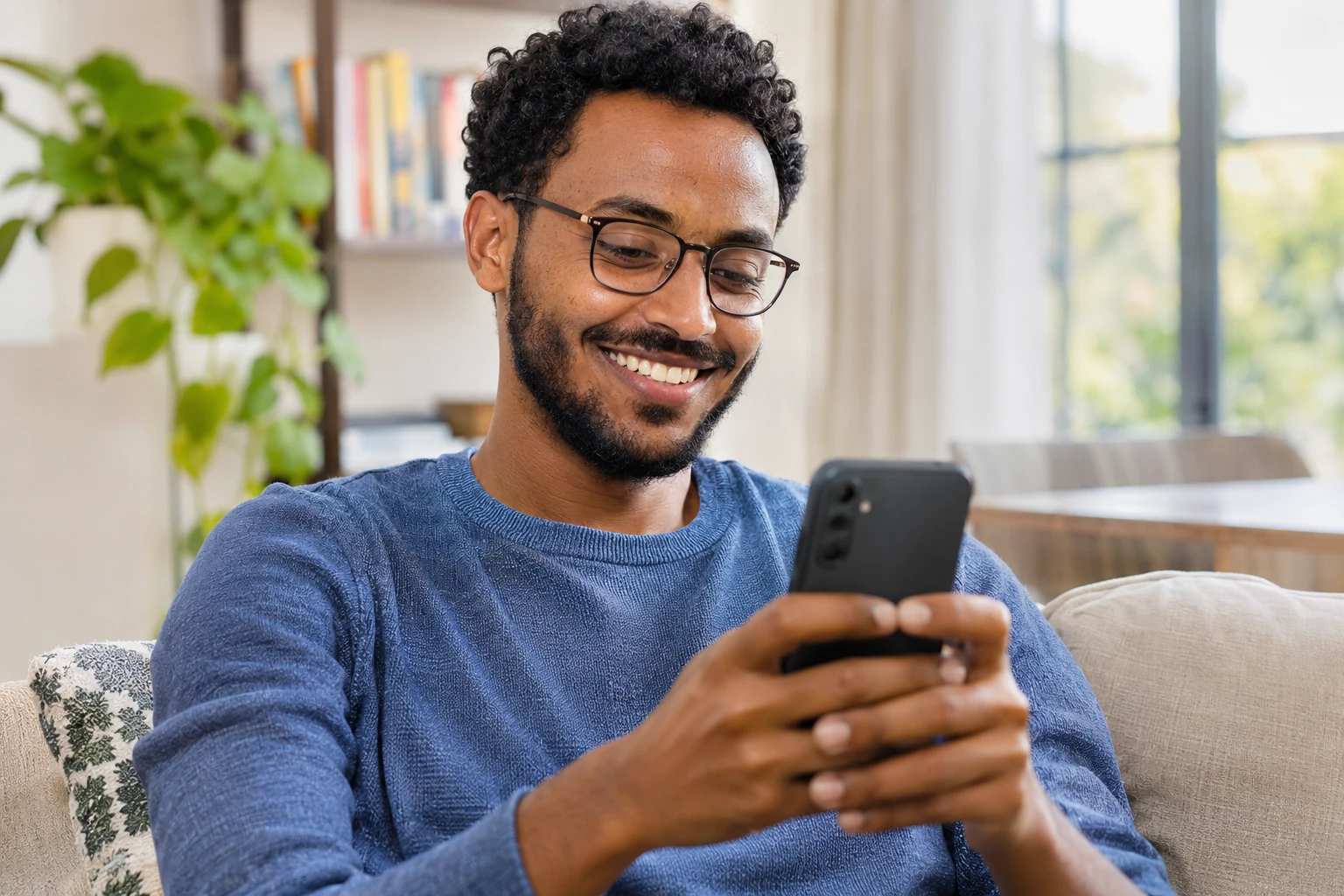
Protect the account and the information around it
Online dating safety begins before the first message. Use a password that is unique to the service and enable additional authentication where it is available, especially on the email account used for recovery. Review what a new visitor can see in your profile and photographs, including workplace badges, street signs or family details in the background. The Australian eSafety Commissioner recommends adjusting privacy settings and limiting information that identifies you. Choose enough detail to start an interesting conversation without publishing your daily route, home address or documents that belong in a private administrative process.
Keep control of the pace of an introduction
Take time to see whether someone's words and conduct remain consistent. Keep early conversations within the service while you learn how its reporting controls work, and decline requests that make you feel rushed or uncomfortable. A shared language, faith or national background can be a point of connection without establishing trust by itself. Let a trusted person know when an online introduction develops into plans to meet. If a conversation becomes threatening, preserve relevant messages where safe and use the platform's reporting tools. These habits support your choices; responsibility for deception or abuse always belongs to the person who commits it.
Practical resources for digital dating safety
- eSafety Commissioner: online datingesafety.gov.au
- Review a regulator's guidance on dating profiles, early contact and responding to uncomfortable online behaviour.
- eSafety Commissioner: digital safety settingsesafety.gov.au
- Check practical steps for unique passwords, extra authentication and settings that affect personal information.